
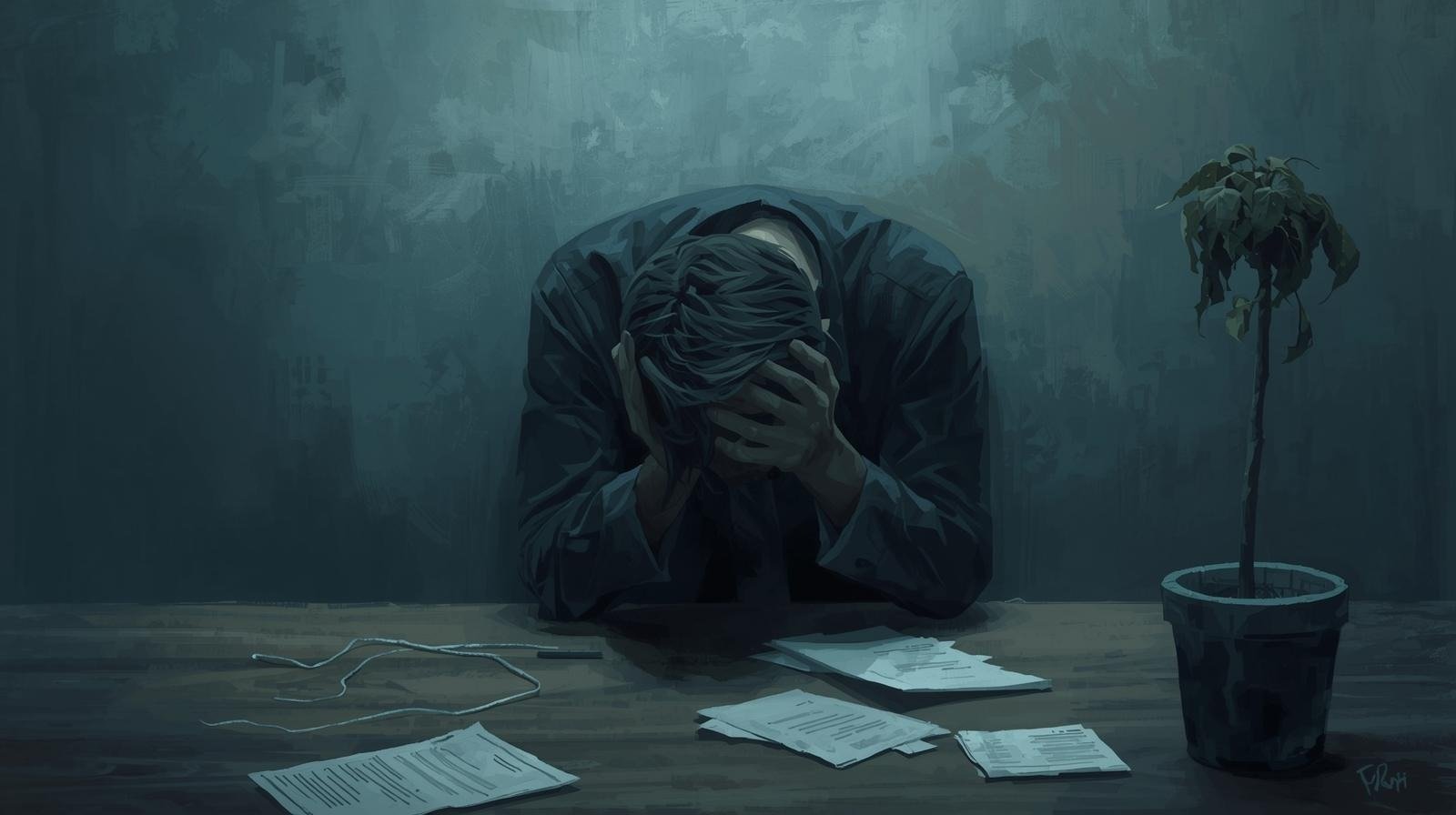
Emotional exhaustion doesn’t arrive suddenly, it builds quietly, often disguising itself as “just being tired.” Many people describe it as a deep inner depletion where rest no longer feels restorative and even small responsibilities feel heavy. This state of emotional fatigue is one of the most common reasons individuals begin seeking our anxiety and depression treatment in Lucknow, not because something is “wrong” with them, but because their nervous system has been carrying too much for too long.
Emotional exhaustion shows up in both subtle and unmistakable ways:
Persistent tiredness even after sleep
Irritability or mood swings over minor issues
Loss of motivation and enthusiasm
Difficulty concentrating or frequent “brain fog”
Emotional numbness or detachment
A sense of being trapped or powerless
Social withdrawal and avoidance
Physical symptoms like headaches, muscle tension, or appetite changes
Reduced productivity and decision fatigue
A recurring desire to escape or disappear
These signs are not personal failures, they are signals. At its core, emotional exhaustion is the depletion of your emotional reserves. It often develops when you’ve been functioning in survival mode for extended periods, meeting expectations, managing responsibilities or holding space for others without enough recovery for yourself. Over time, the mind and body stop compensating.
Common root contributors include:
Chronic stress at work or home
Caregiving or emotional labor
Long-term exposure to emotionally demanding situations
Lack of rest, boundaries, or nervous system regulation
This is why emotional exhaustion is frequently intertwined with anxiety and low mood and why many people eventually explore holistic paths alongside conventional anxiety and depression treatment.
Constant fatigue isn’t always about doing too much, it’s often about holding too much internally.
1. Sleep Quality Issues
Even when hours of sleep seem sufficient, disrupted sleep cycles (like insomnia or light sleep) prevent true restoration. Environmental factors like noise, light or discomfort can fragment rest without conscious awareness.
2. Mental Load & Stress
Chronic stress keeps the nervous system locked in fight-or-flight. Even when you feel “used to it,” the body continues burning energy at unsustainable levels.
3. Lifestyle Imbalances
Nutrient deficiencies, dehydration, lack of movement or prolonged sedentary habits quietly drain vitality over time.
These layers often coexist, reinforcing exhaustion beneath the surface.
Suppressed emotions require constant internal effort. When feelings are pushed down rather than processed, the body expends energy keeping them contained. Over time, this creates mental fatigue, irritability and physical tension.
Unexpressed emotions act like background noise, always present, always draining. Releasing them doesn’t make you weak; it frees energy that was previously tied up in emotional restraint. This understanding forms the foundation of many integrative healing spaces, including therapeutic work offered at our wellness and yoga centre in Lucknow, where emotional awareness is treated as part of physical well-being.
The Mind–Body Connection: Why Exhaustion Isn’t “Just in Your Head”
The mind and body are not separate systems. Thoughts, emotions, hormones, nerves, and immunity are in constant conversation.
Chronic stress elevates cortisol, leading to muscle tension, headaches and sleep issues
Emotional strain weakens immune responses
Positive emotional states improve neurotransmitter balance
The nervous system (via the vagus nerve) links emotions with digestion, heart rate and inflammation
This is why emotional exhaustion often manifests physically and why body-based practices, therapeutic movement and our spiritual retreats in Lucknow are increasingly sought for deeper restoration.
How Hypnotherapy Supports Emotional Recovery
Hypnotherapy works at the level where exhaustion often begins: the subconscious mind.
It helps access suppressed emotions safely
Reframes trauma-linked beliefs and inner narratives
Calms the nervous system through deep relaxation
Reduces stress hormones and emotional reactivity
Creates space for emotional release without overwhelm
Rather than forcing change through willpower, hypnotherapy supports recovery by restoring inner balance and safety.
Emotional exhaustion is not a personal flaw, it’s a message. Healing doesn’t mean pushing harder; it means listening more deeply. Whether through therapeutic support, somatic practices, or integrative approaches to anxiety and depression treatments, recovery is possible.
You don’t have to walk this path alone. Emotional wellness is not about fixing yourself, it’s about coming back to yourself, with clarity, compassion and renewed energy. If you’re ready to take the next step toward balance and renewal, we invite you to book a session today. Together, we can begin creating the calm, clarity and resilience you deserve.
Onwards and upwards!
Happiness SOULutions
Website: www.happinesssolutions.com
Why Do I Feel Emotionally Exhausted All the Time?
Other Blogs
- Embracing the Divine Feminine Within
- Procrastination - Cause and Effect!
- 10 Ways to Build your Self-Confidence
- Join the international movement toward Holistic Health. Become an Integrated Clinical Hypnotherapist in Lucknow, India
- Strengthen Your Relationships : Expert Relationship Counseling in Lucknow, India
- Reduce Stress and Anxiety: Practice Meditation and Yoga Therapy in Lucknow, India
- Gain Insights into Your Life: Experience Past Life Regression Therapy in Lucknow, India
- Understand your Emotional Blockages : Explore Inner Child Therapy Techniques in Lucknow, India
- Experience Healing and Hope : Explore Therapy Options for Depression in Lucknow, India
- Explore Therapy Options for Anxiety in Lucknow, India : Experience Healing and Hope
- How A Hypnotherapy Centre in Lucknow Heals Mind, Body and Soul
- A Journey from Triggers to Transformation: Best Relationship Counselling in Lucknow
- Your Journey to Calm Begins Here: Anxiety and Depression Treatment in Lucknow
- From Burnout to Balance: The Magic of Energy Healing in Lucknow
- The Power of Journaling In Your Own Handwriting Can Rewire Your Mind and Transform Your Life
- How Hypnotherapy Healed My Client’s Chest Pain by Unlocking Stuck Emotions
- Healing Postpartum Anxiety & Guilt with Hypnotherapy: A Gentle Path to Emotional Recovery
- Unhealed Emotions and Their Impact: Holistic Healing at Antarmann Wellness Centre in Lucknow
- How A Hypnosis Centre In Lucknow Helps with Insomnia and Night Anxiety
- Awakening the Authentic Self With Transpersonal Regression Therapy in Lucknow
- How a Hypnotherapy Centre in Lucknow Helps You Break Free from Bad Habits
- Healing from Emotional Abuse: How Hypnotherapy Helps You Reclaim Your Power
- Hypnotherapy Centre in Lucknow for Students: Improving Focus, Confidence & Exam Performance
- Why You Keep Attracting Toxic Relationships and How to Heal It With Relationship Counselling in Lucknow
- Releasing Emotional Trauma With Mind-Body Approach At Our Wellness And Yoga Centre In Lucknow
- Why a Spiritual Retreat in Lucknow Can Transform Your Life For Good
- Anxiety and Depression Treatment in Lucknow: A Mind–Body Approach
- Behind the Scenes of a Hypnotherapy Centre in Lucknow: What Really Happens
- The Link Between Past Trauma and Present Anxiety, And How to Break It Through Our Hypnotherapy Centre In Lucknow
- Why Modern Women Are Turning to Hypnotherapy for Emotional Resilience
- The Link Between Past Trauma and Present Anxiety And How to Break the Cycle
- How Father Wounds Affect Your Money, Career and Self-Worth
- How Your Past Experiences Quietly Design Your Present Reality
- What Is Inner Child Healing? Understanding the Roots of Your Emotional World
- Understanding the Mother Wound: How It Shapes Your Relationships and Life
- Unlocking the Subconscious: How Regression Therapy Creates Deep Emotional Healing
- Anger Management with Clinical Hypnotherapy in Lucknow: Releasing Stored Anger and Healing Emotional Wounds
- Childhood Conditioning and Inner Child Therapy: The Hidden Connection